
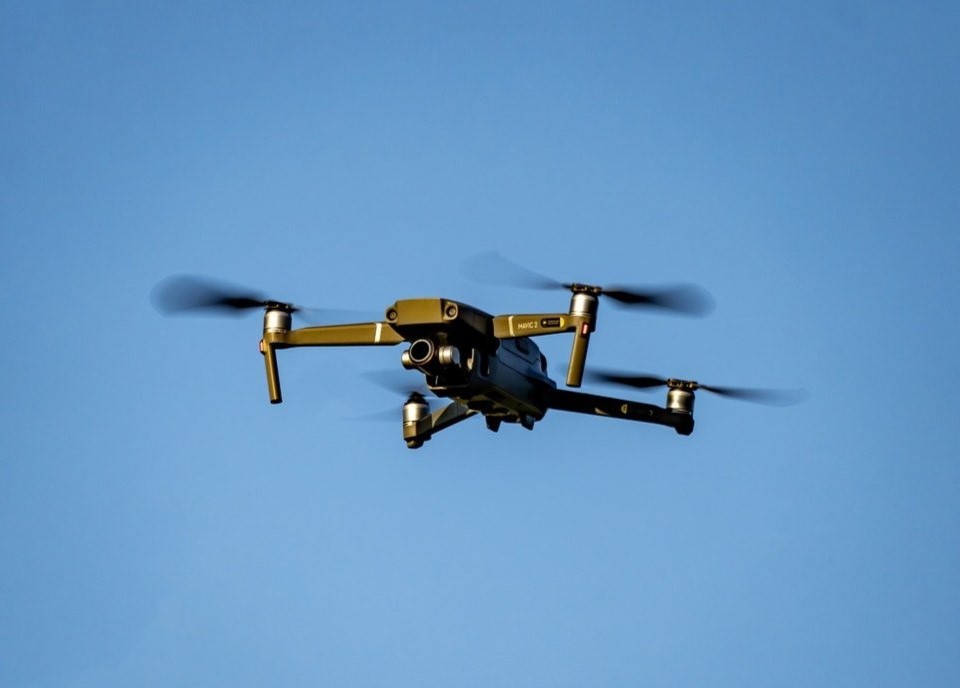
California Wildfires and the Drone Collision: A Closer Look at the Incident and the Hype
In an age where technology increasingly intersects with emergency response, the story of a drone colliding with a firefighting aircraft over the Palisades fire has captured significant attention. Yet, the narrative as presented raises questions that deserve a more skeptical examination. Let’s unpack the details and implications surrounding this event, focusing on what we know, what remains unclear, and the broader conversation about drone regulations and firefighting efforts.
The Collision and Its Aftermath
According to officials, a civilian drone struck a Super Scooper aircraft engaged in battling the Palisades fire. L.A. County Fire Chief Anthony Marrone described the incident, noting that the drone caused a “fist-sized” hole in the plane’s wing. The aircraft was subsequently grounded for repairs.
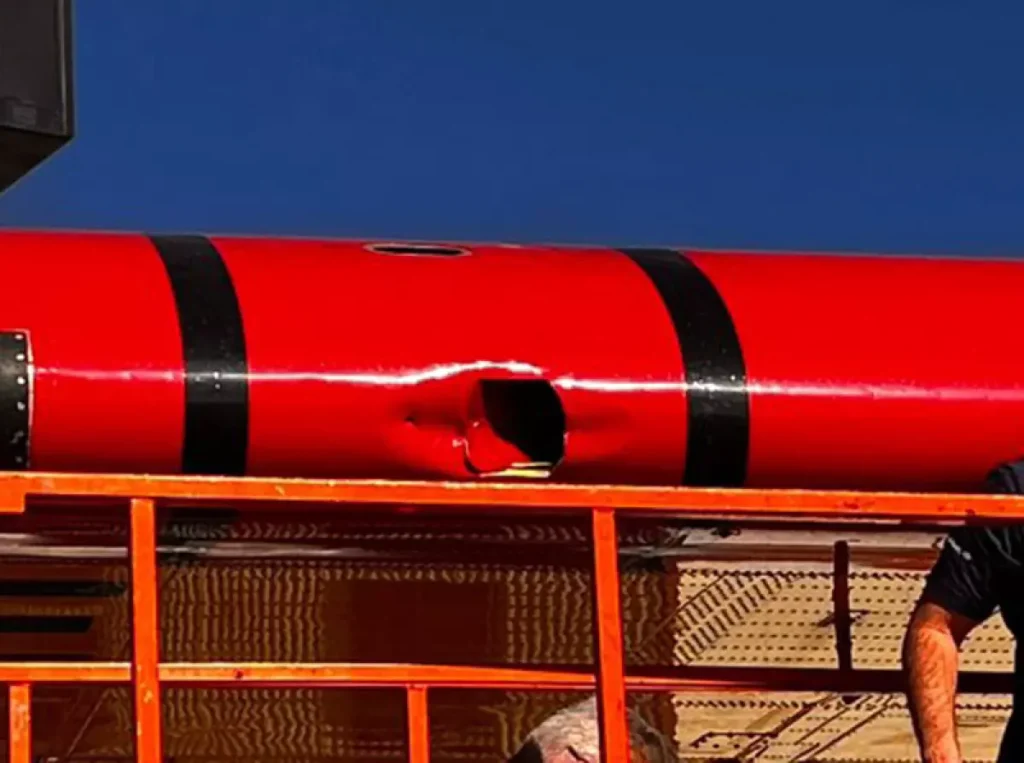
While this incident marks a significant moment—reportedly the first time a drone has collided with a firefighting aircraft—it prompts several questions about the specifics of the encounter. Notably, how could a pilot operating a massive fixed-wing water bomber remain unaware of a collision that caused such damage? The description of a “fist-sized” hole implies substantial force, yet no immediate response from the pilot suggests either the collision was not as dramatic as portrayed or that the nature of the impact requires further clarification.
Additionally, the reported deployment of what Marrone termed “aerial armor” to prevent further drone intrusions warrants scrutiny. What precisely does this “aerial armor” entail? How effective is it against civilian drone operators? Such measures may sound proactive but without details, it is difficult to assess their practical application or cost-effectiveness.
Investigating Accountability
Despite the assertion that the drone was destroyed, there has been no public identification of the drone operator. The Federal Aviation Administration (FAA) and the FBI are reportedly involved in the investigation, but the lack of immediate accountability raises concerns about enforcement effectiveness.
The FAA has long maintained clear restrictions on drone activity near wildfires, citing penalties of up to $75,000 and potential imprisonment for violations. However, enforcement hinges on identifying and prosecuting offenders. In this case, where the drone was allegedly destroyed, how will investigators trace the responsible party? Will this incident lead to improved tracking technologies or more rigorous enforcement, or will it remain a cautionary tale with minimal consequences?
Drone Footage and Public Reaction
The presence of drone footage from restricted wildfire zones, despite clear FAA prohibitions, is not unique to this event. Several photographers and videographers have shared dramatic aerial images of wildfire devastation, often drawing sharp rebukes from the drone and photography communities. The backlash has been swift and public, with social media serving as a forum for both condemnation and education.
However, this raises a broader issue about the role of drones in documenting public events. While the FAA’s stance on safety is indisputable—drones pose real risks to firefighting aircraft—there is also a tension between regulation and the public’s desire for visual access to unfolding disasters. Professional and hobbyist drone operators alike must navigate this complex terrain, balancing their ambitions with legal and ethical responsibilities.
Consider the viral spread of images and videos from the Palisades and Sunset fires. Despite warnings and penalties, drone footage continues to surface, often from anonymous or pseudonymous accounts. The allure of dramatic, high-impact visuals seems to outweigh the potential repercussions for some operators. Yet, one must ask: Do these videos provide unique value, or are they simply reckless spectacles?
Balancing Safety and Innovation
The Palisades fire incident underscores a larger debate about how to integrate new technologies into traditional emergency response frameworks. Drones have undeniable potential as tools for wildfire monitoring and damage assessment, but their misuse complicates firefighting efforts. The challenge lies in creating policies that harness the benefits of drones while minimizing risks.
Currently, drone pilots can apply for waivers to operate in restricted airspace, but the FAA acknowledges that no such waivers had been granted during the Palisades fire. This raises practical questions: Is the waiver process too cumbersome? Are legitimate operators being deterred by red tape, thereby leaving the field open to irresponsible pilots? A more streamlined, transparent approval system might better balance innovation and regulation.
Media Sensationalism and Public Perception
Much of the public discourse surrounding this collision is driven by dramatic language and imagery. Headlines emphasize the “first-ever” drone strike on a firefighting plane, invoking fears of future disasters. Yet, how much of this narrative is based on concrete data versus speculative concern? The aviation community’s historical safety record, even amid natural disasters, suggests a need for measured responses rather than alarmist reactions.
Moreover, the framing of drone operators as villains may oversimplify a more nuanced reality. While reckless behavior deserves condemnation, not all drone operators are thrill-seekers or scofflaws. Some are professionals contributing valuable perspectives to public understanding. A more constructive conversation would focus on education, responsible operation, and clear guidelines rather than punitive measures alone.
Conclusion: A Call for Clarity and Constructive Dialogue
The collision between a drone and a Super Scooper at the Palisades fire presents an opportunity to reevaluate current drone regulations and enforcement mechanisms. However, skepticism is warranted when evaluating the claims and responses surrounding the incident. Transparency from authorities, a balanced assessment of risks, and a commitment to education and innovation will be essential in shaping the future of drone use in emergency response scenarios.
In the meantime, drone enthusiasts and professionals must act responsibly, understanding that their actions can have serious consequences. Likewise, policymakers and enforcement agencies should prioritize clarity, accessibility, and fairness in their regulatory frameworks. Only through a balanced approach can we ensure that technology enhances rather than hinders public safety.
FAA Fired Thousands of Qualified Individuals During Obama Admin
The Federal Aviation Administration (FAA) has recently come under scrutiny for its hiring policies r…
US Military Blackhawk Collides mid-air with Commercial Plane
Emergency services operate at Gravelly Point, after American Eagle flight 5342 collided with a helic…
ICE Highlights Enforcement Actions Targeting Criminal Aliens in Utah, Nevada, Idaho, and Montana
SALT LAKE CITY — U.S. Immigration and Customs Enforcement (ICE) announced Tuesday the outcomes of re…
Amazon’s Delivery Drone Ambitions: A Dream Grounded by Reality
Amazon’s Delivery Drone Ambitions: A Dream Grounded by Reality When Amazon first unveiled its …
Hughes Fire in Castaic community of LA County Covers over 10,000 acres
Driven by high winds, a fast-moving wildfire exploded to approximately 10,200 acres near the Los Ang…
Unleashing the Future of FPV with DJI O4: A Comprehensive Look at Its Game-Changing Features
When it comes to immersive First-Person View (FPV) experiences, DJI has long been a trailblazer. The…